Rest can feel harder to access than expected.
Even when you know you need it. It is sometimes seen as something optional. Something we get to if there is time. Something that happens once everything else is done.
But in this season, rest is not separate from recovery.
It is part of it.
Whether motherhood begins through pregnancy, surrogacy, adoption, or fostering, there is a period of adjustment where the body and nervous system are recalibrating to a new reality.
Within this experience, rest is not a luxury.
It is support.
This is part of the broader postpartum experience, explored in Postpartum: A Season of Recovery, Identity, and Becoming.
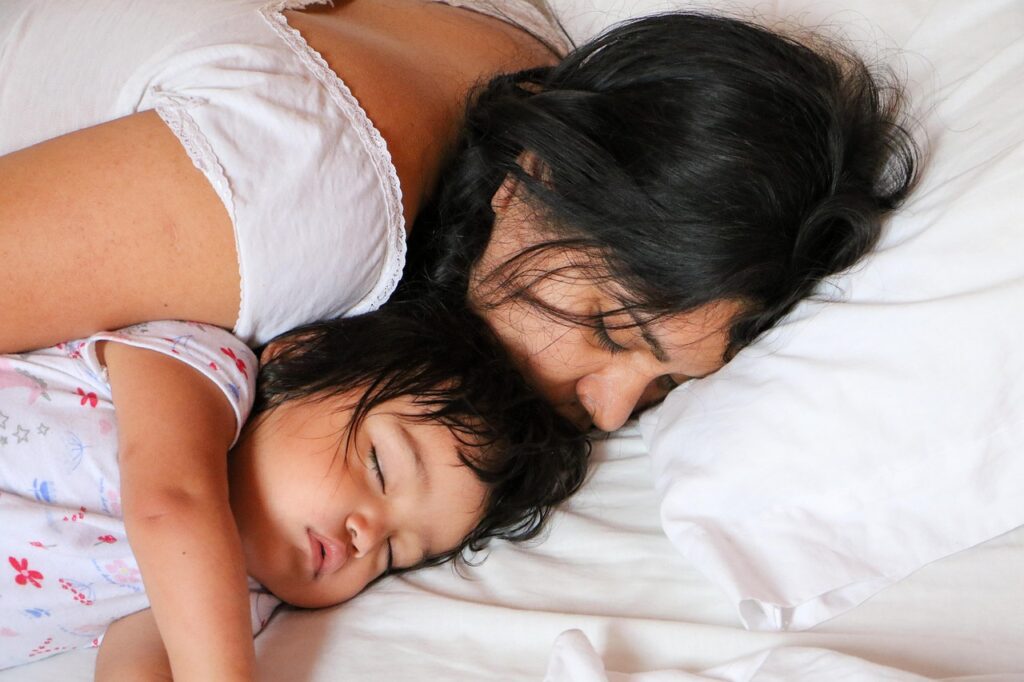
Rest as Part of Postpartum Recovery
Postpartum recovery is often described in physical terms.
Healing. Hormones. Sleep.
And while these are all part of the experience, recovery also includes the nervous system, emotional regulation, and the constant responsiveness that early motherhood requires.
Rest supports all of these.
It allows the body to recover.
It allows the mind to soften.
It creates space within an otherwise full experience.
Without rest, recovery can feel extended, fragmented, or incomplete.
Why Rest Can Feel Difficult in Postpartum
Even when we understand the importance of rest, it can feel difficult to access.
There are practical reasons:
A baby who needs constant care
Interrupted sleep
A lack of structured support
And there are internal ones:
A sense that we should be doing more
Difficulty slowing down
Uncertainty about what “rest” actually looks like now
This tension is part of the broader experience explored in the emotional reality of mom life, where internal and external demands are held at the same time.
Rest and the Nervous System
Rest is not only physical.
It is also nervous system support.
In postpartum, the body is often in a heightened state of awareness. There is increased responsiveness, attunement, and vigilance.
This is natural.
But without moments of down-regulation, the body can remain in a sustained state of activation.
This is where rest becomes essential.
Not just sleep.
But moments where the body is allowed to soften.
This can be brief.
Even a few minutes of sitting, without doing anything else, can begin to shift how your body feels.
These moments help regulate the system over time.
When Rest Feels Out of Reach
In this season rest can feel limited or inconsistent.
When sleep is interrupted. When help is not readily available. When the pace of daily life does not slow.
Here, rest may not look like long stretches of time.
But, it may come in small openings where you can look for the pauses between tasks or the sitting instead of standing.
These small moments matter.
They are often how rest begins to return in a sustainable way.
This aligns with the understanding that self-care in motherhood often happens in small, everyday moments, rather than ideal conditions.
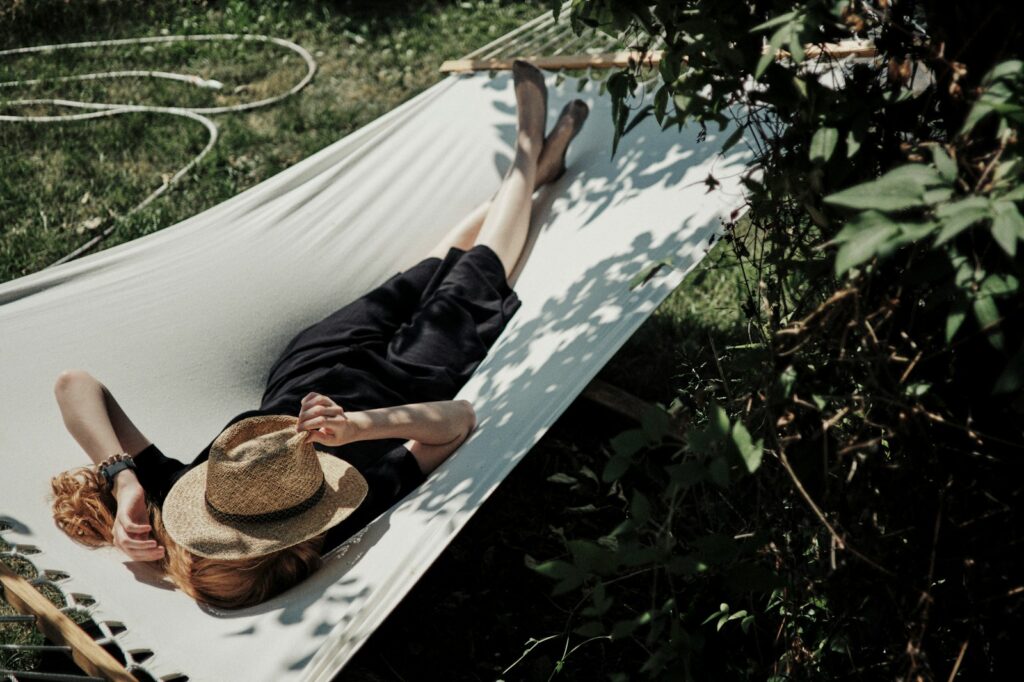
Rest and Emotional Capacity
Rest does not only support the body.
It supports how we feel.
Without rest, emotions can feel closer to the surface. Patience can feel shorter. Everything can feel slightly more difficult to hold.
This is not a personal shortcoming.
It is often a reflection of depletion.
In many cases, this connects to what we describe in the hidden exhaustion of motherhood, where layers of fatigue build over time.
Rest helps interrupt that cycle.
Becoming: Allowing Rest to Be Part of the Experience
Rest in postpartum is not something we earn.
It is something we allow.
This can be one of the more difficult shifts.
Allowing rest without justification.
Allowing space without productivity.
But within the process of becoming, this shift matters.
It changes how we relate to ourselves. It creates a different rhythm within the day.
And over time, it supports a more sustainable experience of motherhood.
A Broader Perspective: Rest Within the Wellness of Motherhood
Within the Wellness of Motherhood, rest is not separate from well-being.
It is foundational.
It supports:
physical recovery
emotional regulation
mental clarity
daily capacity
Postpartum is one of the first places where we begin to understand this more fully.
Not because it is the only time rest matters.
But because it is the time when the need for it becomes most visible.
Rest in postpartum may not always look the way we expect.
It may be shorter. Less structured. Less predictable.
But it still counts.
Even in small moments and in imperfect ways. Rest is not something extra.
It is part of how we move through this season.
And part of how we begin to support ourselves within it.
Leave a Reply