Postpartum doesn’t arrive as a single experience.
It unfolds in layers.
Physical recovery.
Sleep deprivation.
New routines.
But postpartum is not one experience, but many happening at once.
It is a threshold.
A period of transition where the body, the mind, and the sense of self are all shifting at once. Whether motherhood begins through pregnancy, surrogacy, adoption, or fostering, this season marks a profound reorganization of daily life and identity.
Within the Wellness of Motherhood, postpartum is not something to move through quickly.
It is something to understand.
The Reality of Postpartum: More Than Recovery
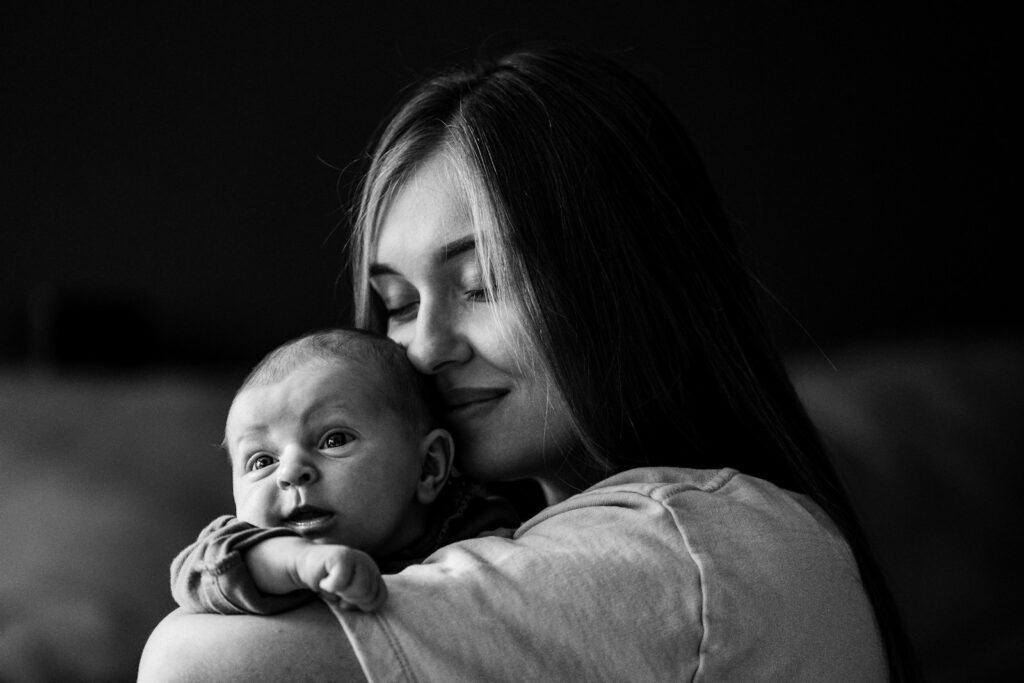
Postpartum recovery is often spoken about in physical terms, but the experience extends far beyond the body.
And while the body is recovering, something else is happening at the same time.
There is an emotional landscape unfolding.
A mental adjustment taking place.
An identity quietly reshaping itself.
We may find ourselves asking questions we did not expect:
Who am I now?
Why does this feel so different than I imagined?
Why do I feel both connected and overwhelmed at the same time?
These questions are not interruptions to the experience.
They are part of it.
This emotional experience is explored more deeply in The Emotional Landscape of Postpartum.
Listening: What Postpartum Is Asking Us to Notice
In the early stages of postpartum, much of our attention is directed outward.
Toward the baby, the immediate needs.
Toward learning a new rhythm of care.
And yet, there is also an internal experience that can easily go unnoticed.
Fatigue that feels deeper than tiredness.
Emotions that shift quickly or feel unfamiliar.
A sense of disorientation as life reorganizes.
Within the Wellness of Motherhood, this is the practice of listening.
Noticing what is happening internally, even in small moments.
For many, this includes the emotional layers explored in the emotional reality of mom life, where much of what we carry remains unspoken but deeply felt.
Living: Supporting Yourself Within the Postpartum Experience
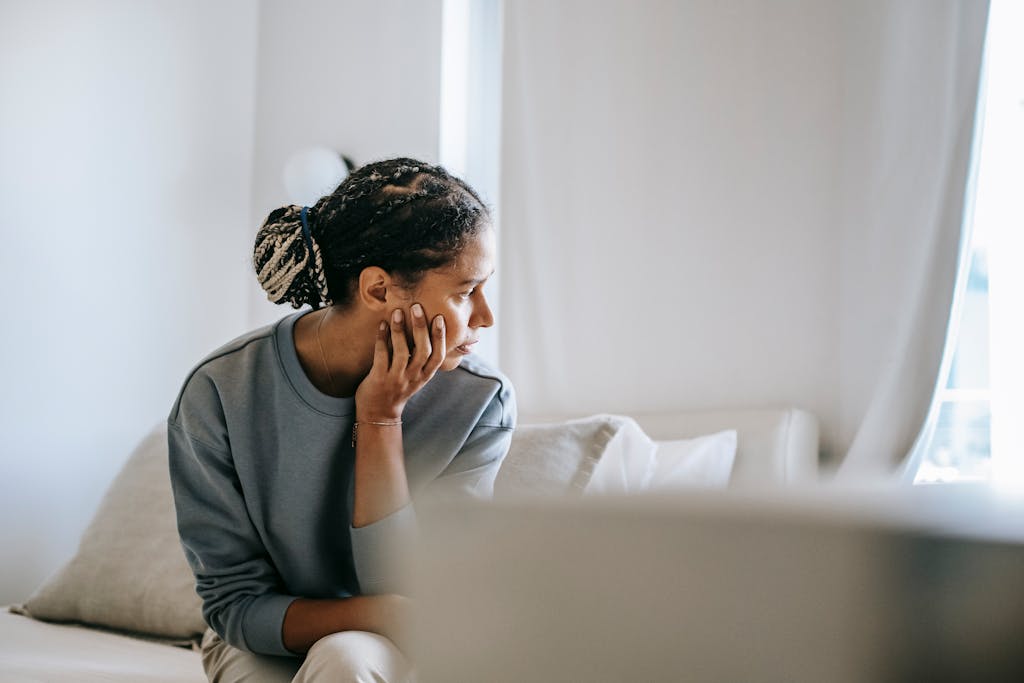
Postpartum does not always allow for structure or predictability.
Days can feel fluid. Needs can shift quickly. What once felt manageable may no longer feel so.
Support, in this season, often looks different than we expect.
It is not always about creating perfect routines.
It is about meeting ourselves within what is real.
This may include:
Resting when rest is available, even if it is brief. This is explored more deeply in Rest in Postpartum: Why Slowing Down Supports Healing and Recovery.
Allowing help, even when it feels unfamiliar.
Letting go of expectations that no longer fit this season.
This is where we begin to understand that self-care in motherhood often happens in small, everyday moments, rather than in fully formed systems.
The body, in particular, requires attention here. Recovery is not only physical, but nervous system regulation, nourishment, and sustained care over time. This is explored more deeply in healing during motherhood, where the body is supported as part of a longer process.
The Emotional Weight of Early Motherhood
There are moments in postpartum that can feel unexpectedly heavy.
Not because something is wrong.
But because we are holding many layers at once.
Caregiving.
Adjustment.
Responsibility.
Change.
At times, this can begin to feel like what we recognize in when motherhood feels overwhelming, where the accumulation of daily demands becomes difficult to carry all at once.
Other times, it may feel quieter.
A steady fatigue. A sense of depletion that does not fully resolve with rest.
This is often part of what we explore in the hidden exhaustion of motherhood, where the layers of emotional and cognitive labor begin to build over time.
Becoming: Identity After Postpartum
Postpartum is not only a recovery period.
It is a period of becoming.
There is often a quiet shift happening beneath the surface, where our sense of self begins to expand and reorganize. This transition is explored further in Postpartum Identity: Why You Feel Different After Becoming a Mother.
We are not only learning how to care for someone else.
We are learning how to exist in a new version of our own life.
This process is not always immediate or clear. It can feel like a gradual unfolding.
At times, it may feel like loss. At other times, like growth.
Often, it is both.
This is where the deeper work of identity in motherhood becomes essential, offering language for the transformation that is taking place.
When Postpartum Feels Isolating
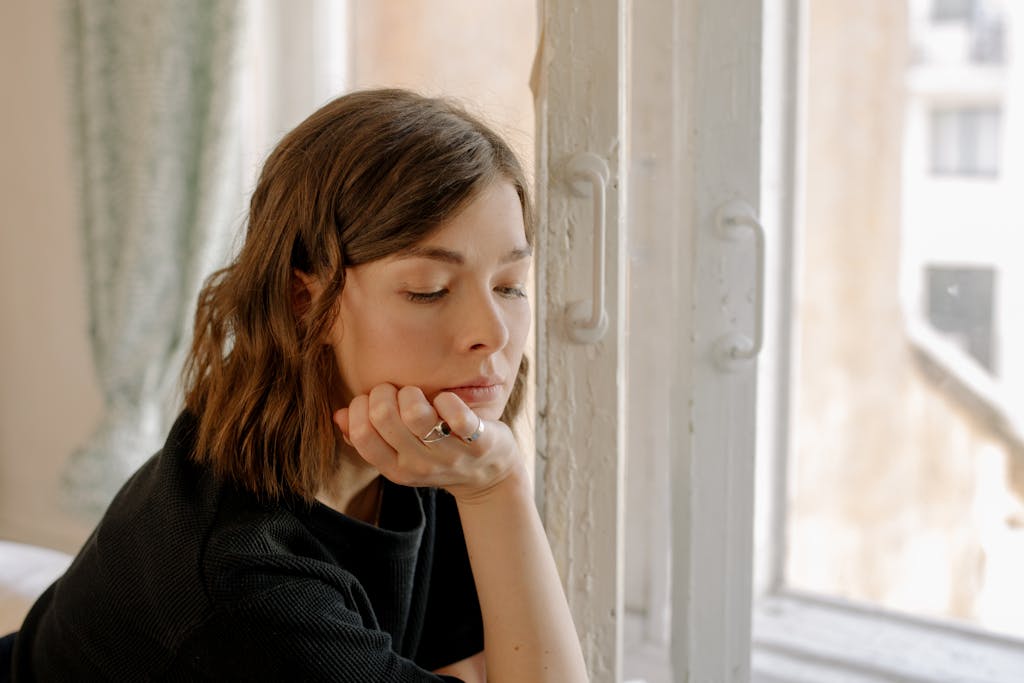
Because so much of the postpartum experience is internal, it can feel isolating.
From the outside, life may appear to be moving forward.
From the inside, everything may feel unfamiliar.
This gap between what is seen and what is felt is part of why postpartum can be difficult to articulate.
Naming the experience helps.
So does recognizing that many of the feelings that arise during postpartum are shared, even if they are not always spoken.
A Broader Perspective: Postpartum Within the Wellness of Motherhood
Within the Wellness of Motherhood, postpartum is not a phase to complete.
It is a foundational period.
It shapes how we:
listen to ourselves
support ourselves
understand who we are becoming
The way we move through postpartum can influence how we experience motherhood long after this initial transition.
Not because it must be done perfectly.
But because it is a time where awareness, support, and care matter deeply.
Postpartum is not only about returning to something that was.
It is about moving into something that is still unfolding.
There is no single way to move through this season.
Only your way.
And within that, there is space to:
rest
question
adjust
feel
become
Not all at once.
Not perfectly.
But with care.
Leave a Reply