
What does nourishment mean for mothers?
When talking about nourishment for mothers, it is important to recognize the quiet exhaustion that comes from trying to be “healthy” as a mother.
Healthy meals.
Healthy routines.
Healthy bodies.
Healthy mindsets.
So much of wellness culture speaks to women as if they exist in uninterrupted time—able to plan, prep, track, optimize. Motherhood, however, is lived in fragments. Half-finished meals. Cold cups of tea. Bodies that carry, soothe, wake, bend, and give long after they are tired.
What if nourishment was never meant to look like perfection?
What if “healthy” could soften?
This reflection is part of our ongoing conversation about healing during motherhood at Whisper & Muse, exploring care over perfection in every season of mother’s journey.
When Health Becomes Another Expectation
For many mothers, the idea of health has quietly become another standard to meet—another place where we feel we’re falling short. We scroll past images of perfectly balanced plates while eating the remnants of our child’s breakfast. We hear advice about “listening to your body” while our bodies are stretched thin by the needs of others.
Perfection asks us to control.
Nourishment asks us to respond.
Perfection is rigid and loud.
Nourishment is adaptive and quiet.
A nourished body is not always a polished one. Sometimes it’s a body that simply made it through the day.
Nourishment Is Contextual
A deeply nourishing meal one day might be soup eaten standing at the counter. Another day, it might be something warm ordered in because cooking felt impossible. Nourishment shifts with seasons, with sleep, with postpartum recovery, with grief, with growth.
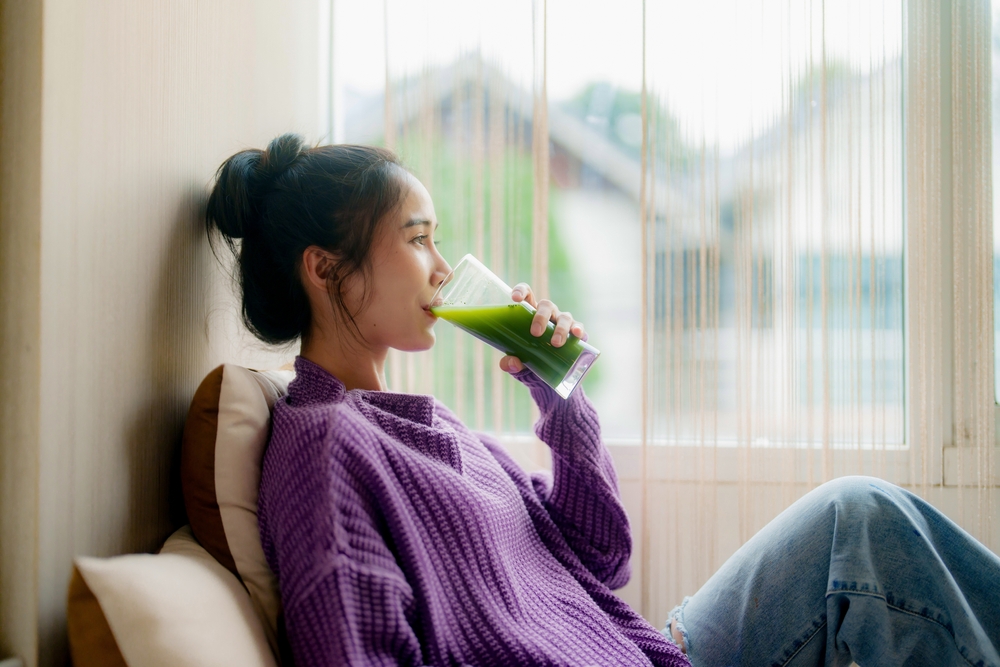
For mothers, nourishment must be contextual. It must account for:
- interrupted sleep
- hormonal shifts
- emotional labor
- caregiving fatigue
- the invisible weight of responsibility
Any definition of “healthy” that ignores these realities is incomplete.
Moving From Control to Care
Much of what we’ve been taught about health centers on control—control over appetite, body size, energy, time. But motherhood often dissolves control. The body changes. Time bends. Hunger comes in waves that don’t align with schedules.
Nourishment, instead, is rooted in care.
Care sounds like:
- What would help right now?
- What feels grounding, not ideal?
- What is realistic in this season?
Care makes room for softness. It allows nourishment to be imperfect and still meaningful. As we discuss gentle care, it’s helpful to see how it connects with healing after birth, loss or burnout and supporting the body beyond postpartum timelines.”
The Mother’s Body Is Not a Project
So many mothers carry an unspoken belief that their body is something to fix, recover, or return. Return to pre-baby. Return to energy. Return to discipline.
But the body that mothers live in is not a before-and-after story. It is a continuum.
This body has adapted.
This body has carried.
This body has learned endurance and tenderness at the same time.
Nourishment honors the body as it is—not as a future version waiting to be achieved.
Redefining “Healthy” for This Season
For a mother, “healthy” might look like:
- eating enough, even if it isn’t balanced
- choosing warmth over rawness
- resting without earning it
- letting food comfort you
- listening to fullness without judgment
Health does not have to be impressive to be real.
Sometimes health is choosing ease.
Sometimes it’s choosing consistency over intensity.
Sometimes it’s simply choosing to eat at all.

Nourishment Is a Relationship
Rather than something we achieve, nourishment is something we practice—again and again, imperfectly.
It is built through small moments:
- sitting down to eat, even briefly
- noticing hunger before it becomes urgency
- drinking something warm before the day pulls you apart
- offering your body kindness instead of critique
These moments do not need to be optimized. They need to be repeated gently.
An Invitation
This space—Whisper & Muse—is an invitation to step out of the noise of wellness culture and into a quieter conversation with your body.
Here, nourishment is not a checklist.
It is not a performance.
It is not something you fail at.
It is something you return to.
Again and again.
A gentle reflection to carry with you:
What does nourishment look like for me right now—without comparison, without pressure, without perfection?
You don’t need the right answer.
Just an honest one.
Leave a Reply