

Motherhood transforms your sense of self in profound ways, leaving many parents wondering who they are beyond their caregiving role. Becoming a mother often brings subtle but profound shifts in how we see ourselves, our bodies, and our place in the world. If you want to explore this more deeply, you can read our full reflection on The Wellness of Motherhood: Identity.
This essay is part of the Identity in Motherhood series, where we explore the journey from early identity changes, grieving your pre-motherhood self, understanding matrescence, redefining yourself without losing yourself, to integrating your evolving identity into a life that feels aligned.
Each post provides practical insights, emotional support, and strategies to reclaim autonomy while embracing the transformation of motherhood — whether through birth, adoption, surrogacy, or fostering.
Dive in to explore each stage and strengthen your sense of self as you navigate this life-changing transition.


Motherhood Changes Everything
Motherhood affects your body, routines, relationships, and most deeply, your sense of self. Becoming a mother often brings subtle and sometimes overwhelming identity shifts. You may grapple with who you were, who you are now, and who you hope to be. These changes are natural, yet rarely discussed in depth.
Understanding and navigating these shifts is a key part of The Wellness of Motherhood: A Framework for Listening, Living, and Becoming. By reflecting on emotional, physical, and social transitions, you honor both your former self and the parent you are becoming.
Why Identity Shifts Happen
Motherhood introduces wide-ranging transformations in your life. Identity shifts can stem from:
- Life transitions: Becoming a mother alters daily routines, responsibilities, and priorities.
- New roles and responsibilities: Caregiver, partner, professional, and self — balancing multiple identities can feel overwhelming.
- Social expectations and comparisons: External pressures, cultural narratives, and social media ideals create tension between expectation and reality.
- Psychological adjustment: Motherhood is a time of reflection, recalibration, and often mourning the self you were before your parenting journey.
These changes are not a sign of weakness. They are part of a natural evolution that comes with stepping into a caregiving role, regardless of how you became a parent.
Common Signs of Early Motherhood Identity Shifts
You may notice:
- Feeling disconnected from your pre-parent self — old routines, interests, or lifestyle may feel distant.
- Experiencing unexpected emotions — grief, ambivalence, guilt, or even relief are normal.
- Shifting priorities and values — what mattered before may feel less urgent, while new values around care, connection, and self-awareness emerge.
- Navigating external perceptions — others’ expectations of who you “should” be can clash with your evolving self.
These experiences are often cyclical rather than linear, and recognizing them is the first step toward integrating change consciously.
How to Navigate Identity Shifts With Awareness
Reflection and mindfulness are key tools for understanding your evolving self.

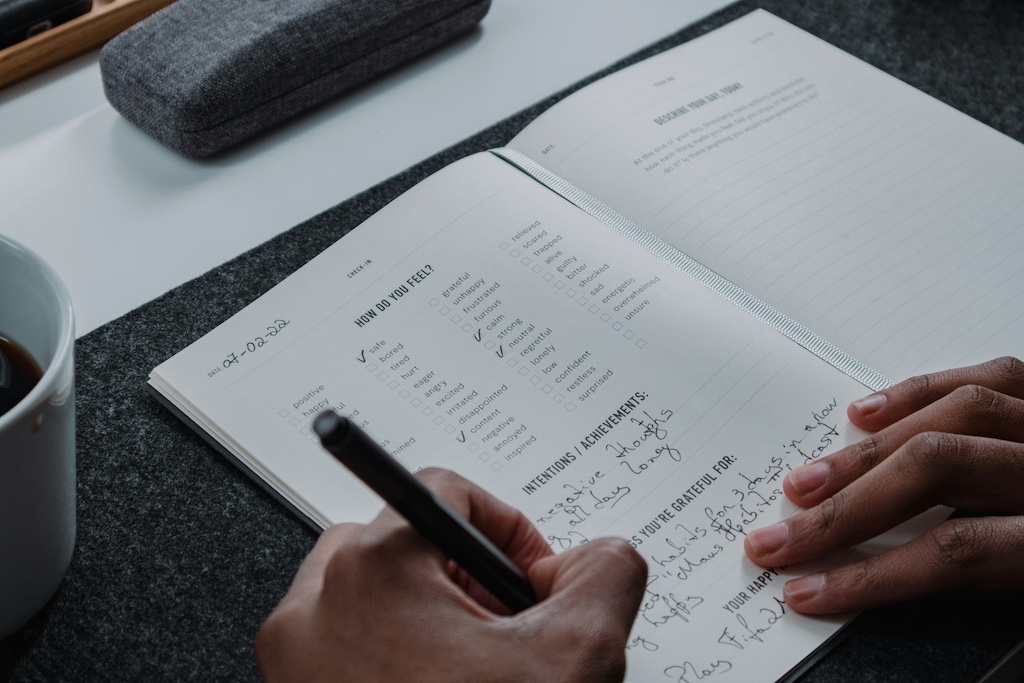
Journaling
- Write freely about your experiences, emotions, and challenges.
- Track recurring themes to identify patterns in your identity.
- Prompt example: “What part of myself am I rediscovering this week?”
Mindfulness & Emotional Awareness
- Pause to check in with your body and emotions throughout the day.
- Notice fatigue, anxiety, or moments of joy without judgment.
- Integrate a short meditation or breathing exercise from our Mindfulness practices.
Reflective Conversations
- Share your thoughts with a partner, friend, or supportive community.
- Externalizing experiences helps validate and normalize identity changes.
- Our Reflective Life subcategory offers guided prompts for deeper exploration.
Reconnecting With Yourself
Intentional practices help bridge the gap between your pre-parent self and your current identity:
- Small daily rituals — morning coffee in stillness, a reflective walk, or a skincare routine can anchor your sense of self.
- Creative expression — art, writing, or home projects connect you with your evolving creativity (Creative Living).
- Physical nourishment and movement — gentle exercise, proper nutrition, and rest support grounding in your body (Body & Nourishment).
These practices honor the multidimensionality of your identity — mind, body, and environment.
The Role of Community
Isolation can amplify identity struggles. A supportive community validates your experiences and provides perspective. Whisper & Muse links reflective, wellness, and creative practices to help you:
- Share insights with like-minded parents.
- Explore Mom Life and Postpartum resources for guidance and emotional support.
- Connect your personal journey to the broader Wellness of Motherhood framework.
Community engagement normalizes these experiences and reduces feelings of isolation.f your postpartum self — mind, body, and environment.
Emotional Healing and Identity Integration
Identity mapping
- Create a visual map of your roles and values: who you were, who you are, and who you want to be.
- Highlight overlaps and areas of tension.
Weekly reflection prompts
- Example: “This week, I felt most like myself when…”
- Track insights over time to notice growth.
Anchor rituals
- Consistency reinforces integration helps you see your experiences as shared and normal, not isolated or “wrong.”
- Choose a small, daily practice (journaling, mindful shower, reflective walk) to reconnect with your evolving self.
Key Takeaways
- Identity shifts in early motherhood are normal, multifaceted, and deeply personal.
- Reflection, mindfulness, and micro-rituals help integrate these changes.
- Community support is crucial to validate your evolving identity.
- Integration is ongoing — honor progress over perfection as your sense of self evolves.
Final Thoughts
Identity shifts are not a loss — they are evidence of growth. The person you were is not gone; she is being woven into a deeper, steadier, more aware version of yourself. This season invites close listening, intentional reflection, and gentle acceptance. Motherhood does not replace you; it adds layers that refine and reveal who you are becoming.
Continue Exploring Identity in Motherhood
Motherhood reshapes identity in layered and often unexpected ways.
This article is part of the Identity in Motherhood series, which explores the emotional and psychological evolution many women experience after becoming mothers.
You may want to continue reading:
• Next: Grieving Your Pre-Motherhood Identity: Why It’s Normal After Baby
• Explore the full guide: Identity in Motherhood